
Greener funerals :Cross Stitch – Environment and greener living

If you’re organising a funeral, you may like to think about ways to lessen its impact on the environment. There are many things you can do. Choosing a coffin with care, not scattering ashes in ecologically sensitive areas and trying to use biodegradable materials can all help.
Over 70 per cent of people who die in Britain are cremated. You can help a cremation be kinder to the environment by:
- using clothing made from natural fibres, which give off fewer emissions than man-made fabrics
- not having shoes, plastic or metal in the coffin
- choosing a coffin with care (see ‘Greener coffins’ below)
- thinking about using a natural fibre shroud instead of a coffin – some crematoria will allow this if there isn’t a risk to health and safety
If you want to reduce the environmental impact of a burial, you could think about:
- asking your funeral director – if you’re using one – for advice on making the funeral greener
- using home-grown or local flowers to decorate the coffin and graveside
- avoiding plastic items which won’t biodegrade
- choosing a coffin carefully (see ‘Greener coffins’ below)
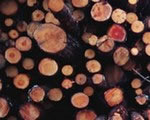
Look for coffins made from a sustainable source
If you want to be greener when choosing a coffin for burial or cremation, you could consider:
- looking for coffins made from a sustainable source – labels from organisations like the Forest Stewardship Council (FSC) or Programme for the Endorsement of Forest Certification schemes (PEFC) can tell you this
- trying to avoid non-biodegradable materials like plastics and metals, as well as toxic paints and varnishes; all can create emissions during cremation
- making sure a cardboard coffin, if you choose one, is made from recycled materials
Some people choose to use embalming (also called ‘hygienic treatment’) to preserve the body. Embalming uses chemicals, some of which – like formaldehyde – are toxic. Things you might like to consider include:
- some funeral homes offer an alternative to embalming by refrigerating the body
- embalming isn’t a legal requirement in the UK
Worthing Council website has advice on organising a funeral, including further information on embalming.
Hiring a communal vehicle and organising a central collection point means people can travel together to the funeral or wake. Being in a group can give people comfort and extend the time they can spend together. It can also cut down on the number of cars being driven and therefore reduce the environmental impact.
Planning ahead gives you time to research all the options for having a greener funeral. Think about giving written copies of your preferences to family members and your lawyer instead of stating your wishes in your will. A will is often not read until after the funeral.
As well as the ideas in this article, you could think about:
- asking people to make a donation to charity instead of buying flowers
- having a tree planted as a memorial
Cremation and burial both use resources and energy. Coffins are manufactured and shipped, sometimes across long distances, and can be made with wood from unsustainable sources. Cremation is energy-intensive and can lead to pollutants entering the atmosphere.