
Safe driving in road tunnels :Cross Stitch – Travel and transport
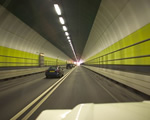
Make sure you know how to drive safely through a road tunnel. Learn what the signs mean, what safety features you’ll find and what to do in an emergency. You can also get detailed information on specific tunnels.
There are a number of road tunnels in the UK. They vary in length, age and design but there are some basic safety features and guidelines that all drivers should be aware of. These are explained in the following sections.
You can find information on specific tunnels at the end.
In order to keep road traffic moving safely, road tunnels have a range of features:
- tunnel lighting – to improve visibility at the entrance and inside the tunnel (emergency exits and emergency stations have continuous lighting that operates even if the main tunnel lighting fails)
- emergency stations – these are located at frequent intervals and have fire extinguishers and emergency phones connected to the tunnel control room
- emergency exits – these are clearly marked with signs and lights and have fire- and smoke-proof doors (in a fire leave your vehicle immediately and follow the routes marked by emergency lights to an emergency exit)
- ventilation system – in the event of a fire this will push smoke out of the tunnel in a single direction (if you need to walk to an emergency exit during a fire, you should face the air flow)
- traffic cameras – if an emergency call is made from a section of the tunnel, the control room operator’s monitor automatically shows images from the camera in that section
From time to time tunnels will be closed for vital routine maintenance. When this happens, there will be a local diversion signposted.
A few simple steps will keep you safe:
- obey traffic lights and signs
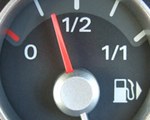
- make sure you have enough fuel
- switch on your headlights (and remove your sunglasses)
- keep a safe distance from the vehicle in front (cars should leave at least a two-second gap, lorries at least a four-second gap)
- do not overtake if there is only one lane in each direction
- do not stop, except in an emergency
- do not turn or reverse
Save your life not your vehicle!
If traffic stops in the tunnel for any reason you should:
- switch on your hazard warning lights
- keep your distance – even if you are moving slowly or have stopped
- switch off the engine if you stop for more than a minute
- listen to the radio for any messages
- follow the instructions given by tunnel officials or obey any electronic message signs
You’re involved in an accident or your car breaks down
If your car breaks down in the tunnel you should:
- switch on your hazard warning lights
- try to move your vehicle to the hard shoulder (if there is no hard shoulder you should pull over to the side)
- switch off your engine
- leave your vehicle if it is safe to do so
- if necessary and possible give help to injured people
- call for help from an emergency station and follow the instructions given by the tunnel officials
If a vehicle catches fire
If there is a fire in the tunnel, leave your vehicle unlocked and follow the signs to an emergency exit as soon as possible. Call for help from an emergency phone.
What to do if your vehicle is on fire
If it is safe to do so you should drive out of the tunnel. If this is not possible, you should:
- pull over to the side
- switch off the engine
- leave the vehicle quickly and carefully
- call for help from an emergency station
- if you can, put out the fire using an extinguisher from the emergency station (only extinguish the fire yourself if it has just started – and don’t open the bonnet as the engine may be hot and could increase the fire)
- if you can, give first aid to injured people
- follow the signs to an emergency exit and leave the tunnel as soon as possible